
Loading blog post

Loading blog post
 Dr. Muhammad Rahim, DMDSeptember 2, 202611 min read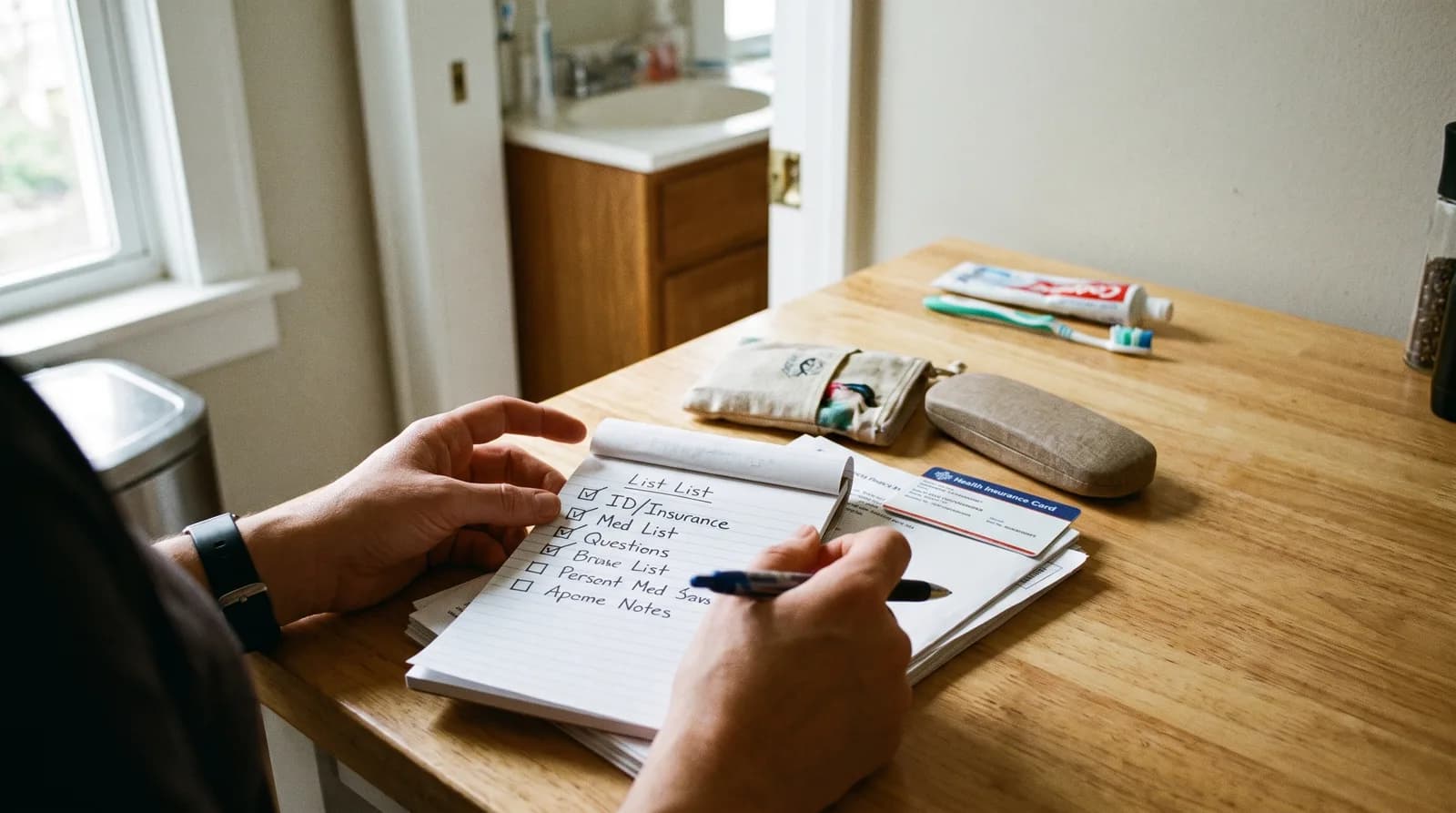
A quick first dental appointment checklist can take a surprising amount of stress out of scheduling, especially if it's been a while since your last visit or you're starting fresh with a new practice. Knowing exactly what to bring and what to expect removes most of the guesswork before you even walk in the door. This guide covers everything worth preparing ahead of time. New patient information is available through our dental services page at Peterborough Family Dental & Implant Center. A little preparation goes a long way toward a smoother, less stressful first visit overall.
Ready to Schedule Your First Visit?
Request an appointment and use this checklist to prepare beforehand.
Request an Appointment →Bring a valid photo ID, your dental insurance card if you have one, and a form of payment, since these three items cover most of what's needed to check in and get your visit started smoothly. Having them ready ahead of time saves a few valuable minutes at the front desk.
Related: Not sure how you'll pay for treatment? Compare dental financing options →
If you're not sure whether the practice sent forms ahead of time, a quick call before your visit can confirm exactly what's needed to bring. According to the ADA's MouthHealthy site, regular dental visits help spot problems early, when treatment is likely to be simpler and more affordable. Being prepared can also make that first visit feel easier and improve the overall patient experience. The front desk team is generally happy to answer any quick logistical questions over the phone before your appointment, so there's no need to guess or leave anything to chance.
Yes, writing down any questions or concerns before your appointment helps ensure you don't forget them once you're actually in the chair, since it's easy for specific questions to slip your mind in the moment. A quick list, even a short one, makes a real difference.
Common questions worth preparing include anything about specific discomfort or sensitivity you've noticed, cosmetic concerns you'd like addressed, or general questions about your everyday oral health routine and habits. If you're switching from another practice, questions about how your care might differ or what records actually transferred over are also worth jotting down ahead of time. Keeping the list on your phone or a small notecard means you'll have it handy without needing to remember everything from memory alone.
Related: Wondering whether you'll need X-rays at your first visit? How safe are dental X-rays →
Dr. Rahim and Dr. Ainslie welcome these questions, and having them written down helps ensure nothing gets overlooked during your visit, especially if you tend to feel a bit rushed or nervous once you're actually sitting in the chair.
Have a list of current medications, any known allergies, and relevant medical conditions ready to share, since this information directly affects how Dr. Rahim or Dr. Ainslie approaches your care and any recommended treatment.
Certain medications can affect dental treatment, bleeding risk, or healing, so an accurate, current list matters more than people often realize going in. Known allergies, especially to medications or latex, are important to mention clearly rather than assuming they're already on file somewhere. Relevant medical conditions, like diabetes or heart conditions, can also influence treatment planning, so being upfront about your health history helps ensure safe, appropriate care from the very start.
Writing this information down beforehand, rather than trying to recall it on the spot, tends to be more accurate and saves valuable time during your visit.
That history helps the team see the full picture. About 1 in 5 U.S. adults aged 20 to 64 has at least one untreated cavity, according to the CDC, and health conditions often play a part.
What you wear generally doesn't matter beyond basic comfort, though avoiding strong perfume or cologne is a small courtesy worth considering. Eating a light meal beforehand is usually fine unless you've been told to fast for a specific procedure involving sedation.
Comfortable clothing that doesn't restrict movement makes sitting in the dental chair for an extended exam considerably more pleasant, though there's genuinely no specific dress code to follow. If your visit involves any sedation beyond simple local anesthesia, you'll receive specific written instructions about eating or drinking beforehand, since these requirements vary depending on the sedation type used. For a standard exam and cleaning without sedation, eating normally beforehand is perfectly fine and won't interfere with your appointment.
If you're ever unsure whether something applies to your specific visit, calling ahead to confirm is always a perfectly reasonable option to consider.
Those instructions matter. The ADA reports that IV sedation has a safety record above 99.9% in dental settings, and following the eating and drinking guidance is part of keeping it that way.
Previous dental records, X-rays, or treatment history from another practice are helpful but not required, especially if it's been a while since your last visit or you've simply lost track of them over the years.
| Item | Required or Helpful? |
|---|---|
| Photo ID | Required |
| Insurance card | Required if applicable |
| Previous X-rays or records | Helpful, not required |
If you do have access to previous records, requesting a copy from your old practice ahead of time can still save some time during your exam, though it's rarely essential to have on hand.
Records also show how consistent your care has been. That matters: according to the Journal of Dental Research, people who visit a dentist regularly are 60% less likely to lose teeth.
Curious What Your First Visit Includes?
Our guide covers exactly what to expect as a new patient here, from exam to treatment plan.
Request an Appointment →A child's first appointment typically involves the same basic preparation, ID and insurance information, but also benefits from bringing along a comfort item and keeping the conversation about the visit positive and low-key beforehand. Overpreparing or over-explaining can sometimes create more anxiety than it prevents.
Bringing a favorite small toy or comfort item can help a nervous child feel more at ease while waiting and throughout the exam itself. Framing the visit simply, as a chance for the dentist to count teeth or take a quick, friendly look, tends to work better than detailed explanations that might introduce new worries beforehand. Parents accompanying young children should be prepared to stay close by throughout the visit, since a familiar, reassuring presence often helps a child feel calmer during the appointment.
Letting the team know if it's your child's very first dental visit anywhere, not just their first visit here, helps them tailor their approach appropriately from the start. For the right age to start and what happens during the visit, see our guide on when your child should first see the dentist.
Arriving 15 to 20 minutes early for your first appointment gives you enough time to complete any remaining paperwork without feeling rushed or delaying the actual exam. Later visits typically don't require this same buffer once you're already an established patient here.
New patient paperwork tends to take longer than routine check-in forms at follow-up visits, since it covers your full medical and dental history rather than just updates since your last visit. Arriving with extra time also gives you a chance to ask the front desk any quick questions about insurance or scheduling before your appointment even begins. If you're running behind despite planning ahead, calling to let the office know is generally appreciated and helps them adjust the schedule if needed.
Building in this extra time removes one more source of stress from what can already feel like an unfamiliar first visit to a new place.
A calm start helps more than you might think. A 2024 study in BMC Oral Health found that 36% of Americans have dental anxiety, and 12% have extreme dental fear.
If you need to reschedule, calling as soon as you know rather than waiting until the last minute helps the office offer your original slot to another patient and find a new time that works better for you. Most practices are understanding about occasional scheduling conflicts.
Giving as much notice as possible, ideally at least a day or two ahead when feasible, is generally appreciated by the office and makes rescheduling smoother for everyone involved on both sides. Same-day cancellations sometimes happen for genuine emergencies or illness, and being upfront about the reason when you call helps the front desk accommodate you appropriately and find a suitable replacement time. Rescheduling doesn't reflect poorly on you as a new patient, and the team would rather move your appointment than have you attend while feeling unwell or unprepared.
Once you've rescheduled, this same checklist still applies for whatever new date and time you've arranged going forward. Keeping this checklist saved somewhere handy, whether printed or on your phone, makes it easy to reference again for future family members or friends who might be scheduling their own first visit here.
If you have dental anxiety, mentioning it directly when you schedule or check in helps the team adjust the pace and approach of your visit accordingly, rather than simply assuming everything will go smoothly without any accommodation needed.
Being specific about what triggers your anxiety, whether it's the sound of instruments, a past negative experience, or simply the unfamiliarity of a new practice, gives Dr. Rahim or Dr. Ainslie useful information to work with directly. Sedation options are available for patients with more significant anxiety, and discussing this ahead of time allows the team to plan accordingly rather than figuring it out mid-appointment. There's no need to minimize or apologize for anxiety about a dental visit, since it's an extremely common concern the team addresses on a regular basis.
Bringing up anxiety honestly, rather than trying to push through it silently, tends to lead to a considerably more comfortable overall experience. You're far from alone: a 2021 meta-analysis in the Journal of Dentistry estimated that about 15% of adults have dental fear and anxiety. Regular dental visits catch roughly 80% of oral health issues before they become serious, according to the ADA, which is part of why addressing anxiety upfront rather than avoiding care altogether matters so much.
A complete first dental appointment checklist covers five things: your ID and insurance card, a list of medications and allergies, your questions, a plan to arrive early, and a heads-up about any anxiety. Run through it the day before so nothing gets left behind.
A first dental appointment checklist doesn't need to be complicated at all: bring your ID, insurance card, a list of medications, and arrive a little early to complete paperwork without feeling rushed. Keeping this same first dental appointment checklist handy for future visits or for other family members can save time down the road too. Roughly 42% of adults aged 30 and older have some form of periodontal disease, according to CDC national survey data, which is part of why a thorough first visit, prepared for properly, matters so much for catching issues early. Early detection of common dental issues generally leads to simpler, less involved treatment. Peterborough Family Dental & Implant Center is ready to help make your first visit as smooth and comfortable as possible.
Results may vary. Please consult with your dentist at Peterborough Family Dental for personalized treatment recommendations.
If you're preparing for an upcoming first visit, using this checklist ahead of time helps you walk in feeling genuinely ready rather than uncertain about what to expect. A few minutes of preparation the night before or morning of your appointment is usually all it takes to cover everything on this list.
Ready to Schedule Your Visit?
Request an appointment with Peterborough Family Dental & Implant Center today.
Request an Appointment →Prefer to talk it through first?
Call (603) 924-3664 →
Dr. Muhammad Rahim, DMD
Dentist · Peterborough Family Dental & Implant Center
Peterborough, NH dentist providing gentle general, cosmetic, restorative, and implant dentistry for the whole family.
Was this article helpful?
Bring a valid photo ID, your dental insurance card if you have one, and a form of payment, since these cover most of what's needed to check in smoothly and quickly.
Call and you'll reach a real person on our team: no phone tree, no hold music. We'd genuinely love to help.
(603) 924-3664Rather write to us? Contact us
Our Peterborough team is happy to answer questions and get you on the calendar.


