
Back to all articlesemergency-dentistry Dr. Muhammad Rahim, DMDOctober 11, 20269 min read
Crown Fell Off? What to Do Until You See Your Dentist
Dr. Muhammad Rahim, DMDOctober 11, 20269 min readKeep reading


Loading blog post
Dr. Muhammad Rahim, DMDOctober 11, 20269 min readCall and you'll reach a real person on our team: no phone tree, no hold music. We'd genuinely love to help.
(603) 924-3664Rather write to us? Contact us
The short answer if your crown fell off is simple: save it, protect the tooth, and call your dentist. Don't panic. It's one of the most common dental surprises, and in most cases it's fixable, often with the very same crown. What you do in the first few hours matters most: keep the crown safe, protect the exposed tooth, and call your dentist.
This guide walks through exactly what to do, why crowns come loose, when it counts as an emergency, and how to keep it from happening again. You can also browse all of our dental services to see the full range of care we offer.
Lost a crown today?
Call our Grove Street office at (603) 924-3664. We hold same-day emergency visits and can often re-cement your crown or make a new one in a single appointment.
Request an Appointment →If your crown fell off, find it, rinse it, and keep it in a small container. Then gently clean the exposed tooth, chew on the other side, and call your dentist as soon as the office opens. Most crowns can be cleaned and cemented back in place if the tooth underneath is healthy.
Here are the steps, in order:
Bring the crown with you to the appointment, even if it looks damaged. Your dentist will check whether it can be reused before making a new one.
A small detail that helps: note when it came off and what you were eating. Sticky candy, a hard roll, or no clear reason at all each points toward a different cause.
A crown falling off is urgent but usually not an emergency room problem. The tooth needs covering within a day or two to prevent sensitivity, damage, and decay, so call your dentist promptly. Go to the ER first only if you also have serious swelling, a high fever, or trouble breathing or swallowing.
Emergency rooms can't replace a crown, and many dental visits to the ER end with a referral back to a dentist anyway. According to the ADA Health Policy Institute, about 2 million emergency room visits each year in the US are for dental issues, many of which a dental office could handle faster.
The ADA also notes most dentists reserve time in their daily schedules for emergency patients. That's why calling first, and giving as much detail as you can, usually gets you seen quickly.
Go to the ER or call 911 instead if you have:
Without any of those, a lost crown is a call-your-dentist situation. Rarely a middle-of-the-night crisis, but not something to leave for weeks either.
Crowns usually come off because the cement holding them has weakened over time, decay has developed under the crown, or a sticky or hard food pulled it loose. Grinding, an old crown, or too little tooth structure left to grip can also play a part. Often the real cause sits under the crown.
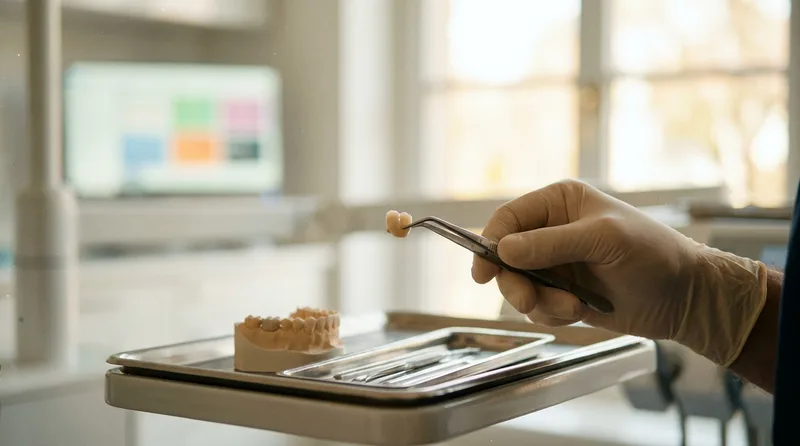
The most common reasons include:
Crowns are reliable, but not invincible. A 2015 systematic review in Dental Materials by Sailer and colleagues pooled 67 studies covering more than 14,000 single crowns. It estimated 5-year survival of 96.6% for glass-ceramic crowns and 94.7% for metal-ceramic crowns. Zirconia crowns came in at 92.1%, and they lost retention more often than metal-ceramic ones.
Put another way, a small share of crowns run into trouble within five years, and the odds rise as crowns age. If yours has been in place for a decade or more, a loose crown is a normal sign of wear rather than something you did wrong.
That's why your dentist will look at the tooth itself, not just the crown. If decay caused the problem, it needs treating before anything goes back on.
You can temporarily reseat a crown with temporary dental cement from a pharmacy, but only as a short-term fix for a day or two. Never use superglue or any household adhesive. It can damage the tooth and the crown, trap bacteria underneath, and make proper re-cementing much harder.
| Do | Don't |
|---|---|
| Use pharmacy temporary dental cement | Use superglue or any household glue |
| Clean the crown and tooth gently first | Force a crown that doesn't seat easily |
| Check your bite feels normal afterward | Chew sticky or hard food on that side |
| See your dentist within a day or two | Treat a temporary fix as permanent |
If the crown won't sit flat, or your bite feels high when you close, take it back out. A crown seated crooked can irritate the gum or crack the tooth under pressure.
And if you'd rather not try it at all, that's fine. Keep the crown in its container, protect the tooth, and let your dentist handle it.
Swallowing a crown is usually harmless, and it typically passes on its own. Still, mention it when you call your dentist. Inhaling a crown is different: if you're coughing, wheezing, or having trouble breathing after losing one, get medical help right away, because it may have gone into your airway.
Most people who swallow a crown never notice any symptoms. The bigger issue is practical: the crown is gone, so your dentist will likely need to make a new one rather than re-cement the old one.
Signs to take seriously after a crown goes missing:
Any of those means calling 911 or heading to the ER, not waiting for a dental appointment. Without them, you can relax and focus on getting the tooth covered.
It also helps to keep this in mind for kids and older family members. Anyone who loses a crown while eating or sleeping should check that it's not stuck in the mouth or throat before searching elsewhere.
Once the swallowed crown is out of the picture, the next step is the same as any lost crown: protect the tooth and book a visit soon.
Often, yes. If the crown is intact and the tooth underneath is healthy, your dentist can clean both and cement the original crown back in place. If the crown is cracked or the tooth has decay or has broken, you'll need a new crown, which can often be made the same day.
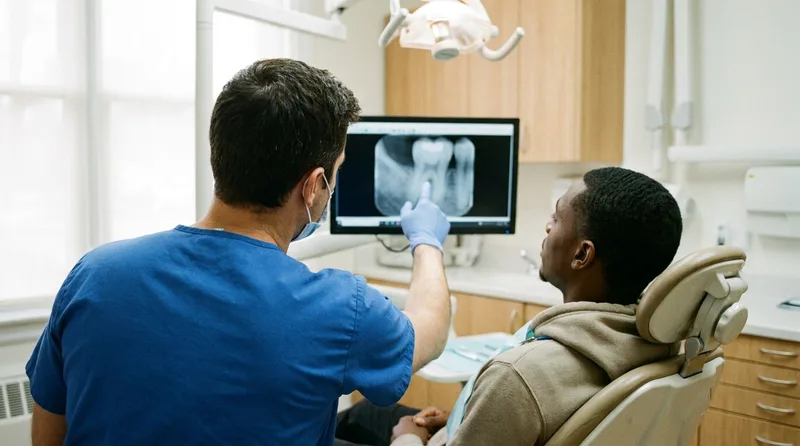
Your dentist will usually take an X-ray first. Crowns rarely come off for no reason, and decay can work under a crown long before you'd notice it. Treating it now protects the tooth for the long run.
When a new crown is needed, you don't always have to wait weeks in a temporary. Our guide to same-day crowns explains how a permanent crown can be designed, milled, and placed in one visit.
The ADA describes crowns as a way to protect a weak tooth from breaking or restore one that's already broken. That protection only works when the crown is on, which is why getting it back in place quickly matters.
To keep a crown from falling off again, brush and floss around it daily, avoid very sticky or hard foods, wear a night guard if you grind, and keep up with regular checkups. Most crown problems start small at the edge of the crown, where your dentist can catch them early.
Simple habits make the biggest difference:
Decay is the quiet threat here. According to CDC data, nearly 1 in 4 adults in the US has untreated tooth decay, and a crowned tooth can still develop it at the gumline. Good daily cleaning around the crown is the best defense. Regular care pays off over time, too: Americans who visit a dentist regularly are 60% less likely to lose teeth, according to the Journal of Dental Research.
If a crown has come off more than once, ask your dentist why. A new crown design, a different cement, or treating the tooth underneath may solve the problem for good.
We hold same-day emergency visits for lost crowns. We check the tooth and take an X-ray, cover the sensitive tooth right away, and either re-cement your existing crown or make a new one. With our in-office mill, a new porcelain crown can often be designed and placed in a single visit.
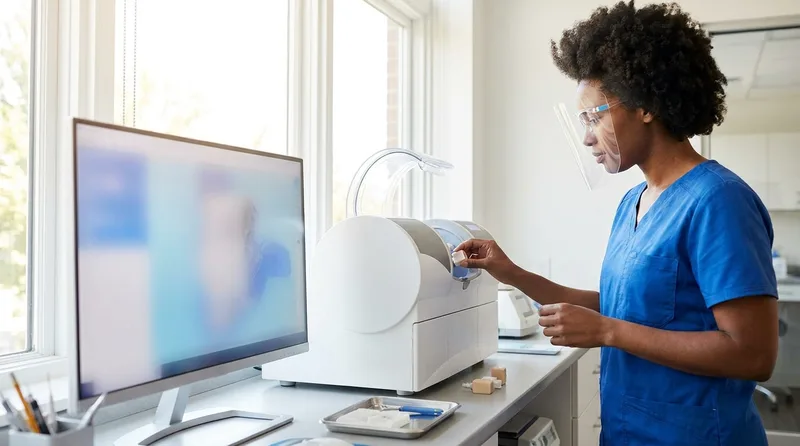
Our lost filling or crown care starts with a call. Tell us what happened, and Dr. Muhammad Rahim or Dr. Jasper Ainslie will plan the right visit, whether that's a quick re-cement or a brand new crown without weeks in a temporary.
A crown that fell off is a fixable problem, and acting quickly gives you the best chance of keeping the original crown and protecting the tooth underneath. Save the crown, cover the tooth, and call.
Results may vary. Please consult with your dentist at Peterborough Family Dental for personalized treatment recommendations.
Don't leave that tooth uncovered
Call (603) 924-3664 and we'll make a plan to restore it, often with a new crown made the same day. New patients welcome.
Request an Appointment →
Dr. Muhammad Rahim, DMD
Dentist · Peterborough Family Dental & Implant Center
Peterborough, NH dentist providing gentle general, cosmetic, restorative, and implant dentistry for the whole family.
Was this article helpful?
Try to see your dentist within a day or two. The exposed tooth is more sensitive and more likely to decay or break, and nearby teeth can shift slightly, which may stop the original crown from fitting. Waiting weeks often turns a simple re-cement into a new crown.
Invisalign attachments are small tooth-colored bumps that help aligners grip teeth. Learn how they're placed, how they feel, and how to care for them.
Our Peterborough team is happy to answer questions and get you on the calendar.