
Back to all articlesemergency-dentistry Dr. Muhammad Rahim, DMDOctober 12, 20269 min read
Dental Emergency? When to Call, Wait, or Go to the ER
Dr. Muhammad Rahim, DMDOctober 12, 20269 min read
Loading blog post
Dr. Muhammad Rahim, DMDOctober 12, 20269 min readCall and you'll reach a real person on our team: no phone tree, no hold music. We'd genuinely love to help.
(603) 924-3664Rather write to us? Contact us
A dental emergency rarely comes with clear instructions. Most people have to decide what to do while they're hurting and stressed. This guide gives you the answer ahead of time: what needs a same-day call, what can wait a day or two, and when to head to the ER instead.
At Peterborough Family Dental, Dr. Muhammad Rahim, DMD, sees urgent cases promptly through the practice's emergency dentistry care and can advise by phone when you're not sure. Same-day emergency visits are one of the dental services patients rely on most.
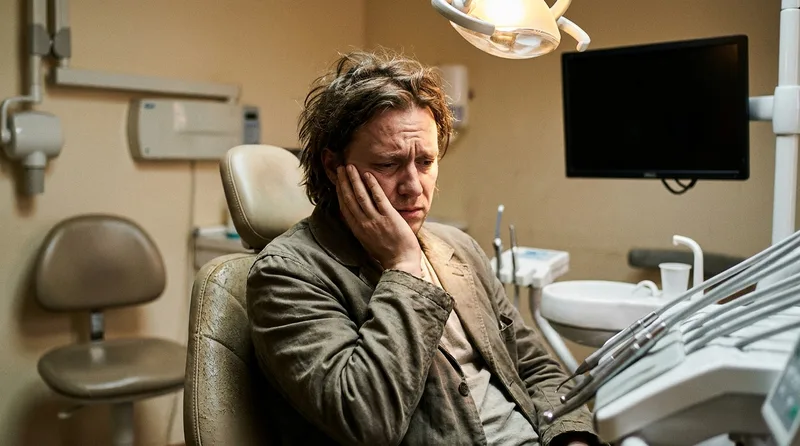
A true dental emergency is any situation involving severe uncontrolled pain, active infection with swelling, dental trauma from an injury, or risk of permanent damage that worsens with delay. These situations require same-day contact with a dental office, not a wait-and-see approach over days or weeks.
True dental emergencies that require calling the same day include:
The ADA's guide to dental emergencies stresses the same point: untreated dental infections can spread to other areas of the head and neck. That's why swelling and fever alongside tooth discomfort should always be treated as urgent.
2 million
U.S. emergency room visits each year are for dental problems, many of which a dental office could treat faster
Source: ADA Health Policy Institute
| Situation | How Soon to Act | Where to Go |
|---|---|---|
| Knocked-out permanent tooth | Within 30 minutes | Call the dental office immediately |
| Severe uncontrolled pain | Same day | Dental office |
| Swelling of face or jaw | Same day, urgent | Dental office, or ER if breathing is affected |
| Cracked tooth, no pain | 1 to 2 days | Dental office, routine urgent slot |
| Lost filling or crown | 1 to 2 days | Dental office |
| Trauma with head injury | Immediately | Emergency room first |
Some dental problems are uncomfortable and worth addressing soon, but do not carry the same urgency as the situations above. These warrant calling the office to get on the schedule promptly, ideally within one to two days, rather than the same hour.
Situations that are urgent but not immediate emergencies include:
What to do in the first five minutes
Certain dental-related symptoms require immediate medical evaluation at an emergency room rather than a dental office. Dental offices are equipped to treat teeth, gums, and oral structures, but some infections and injuries require medical care that goes beyond dental scope.
⚠ Go straight to the emergency room if you have
These symptoms suggest a spreading infection or an injury that needs medical care beyond what a dental office provides. Once you're stable, the dental follow-up comes next.
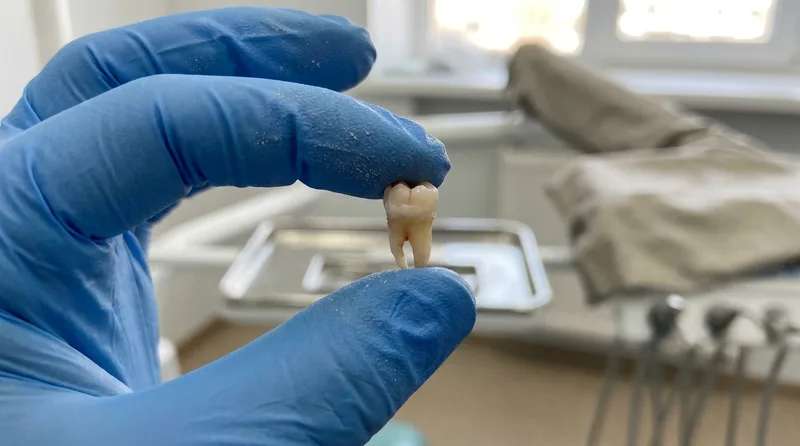
Call the office right away so the team is ready when you arrive. Pick the tooth up by the crown only, keep it moist in the socket, between your cheek and gum, or in milk, and get there fast. According to the ADA, a knocked-out tooth can often be saved if it's reimplanted within 30 minutes.
Baby teeth are different. They generally aren't put back, because that can harm the adult tooth developing underneath. Call for guidance, but the urgency is lower than for a permanent tooth.
Related: Want the full step-by-step guide, including how to store the tooth on the way? What to do for a knocked-out tooth →
A cracked or broken tooth should be checked soon, and your symptoms set the pace. Sharp discomfort when biting, strong temperature sensitivity, or a fracture into the gum line means a same-day call. A chip with sharp edges but no discomfort can usually wait a day or two. Learn more about chipped and broken tooth care.
Avoid biting on the affected side and avoid temperature extremes until the tooth is evaluated. Do not attempt to file or smooth a sharp edge yourself, as uncontrolled abrasion can introduce more damage. The dentist can smooth a sharp edge quickly at the appointment while also assessing whether the underlying structure is intact.

Related: Did a crown come off instead? Here's what to do until you can get in. Crown fell off: what to do →
An abscess needs prompt professional care. Call the office right away if you have swelling, fever, or trouble swallowing along with tooth discomfort, and be ready to go to the ER if those symptoms get worse. The practice's dental abscess care page explains how it's treated.
Do not delay calling because the pain seems manageable at the moment. Abscesses can fluctuate in pain level as pressure builds and releases, but the infection itself does not fluctuate. A temporarily reduced pain level during an active abscess does not mean the infection is resolving.
48 hours
An untreated dental abscess can spread to other parts of the body within this window
Source: Journal of the American Dental Association
Many abscesses are treated with a root canal that saves the tooth. If that word makes you nervous, this guide on what a root canal really feels like may help.
When in doubt, call. Describing your symptoms takes about two minutes, and the team can tell you whether you need a same-day visit, a next-day slot, or home care until a scheduled appointment. There's no wrong call to make. The only real mistake is waiting too long.
The most common reason patients delay calling during a dental emergency is uncertainty about whether the situation is "serious enough." The answer is that the dental team makes that judgment, not the patient, and they need to hear from you to do so.
According to the CDC, nearly 1 in 4 adults in the US has untreated tooth decay, and untreated decay is what turns a manageable problem into a 2 a.m. one. According to the ADA, regular dental visits catch 80% of oral health issues before they become serious.
Not every one, but many. Sports cause up to about 33% of all mouth and face injuries, according to a 2019 review in Sports Medicine, and a fitted mouthguard is the simplest protection. Regular checkups catch cracks, worn fillings, and early infections before they flare up at 2 a.m. And don't chew ice, hard candy, or popcorn kernels, which crack more teeth than most people expect.
Yes. Peterborough Family Dental accommodates emergency patients and makes every effort to see urgent cases the same day. If you are experiencing a dental emergency in Peterborough, NH or the surrounding Monadnock region, call the office directly. The team will assess your situation over the phone and get you seen as quickly as possible.
For non-emergency situations where you are unsure of the urgency, calling and describing your symptoms is always the right move. The team can help you determine whether your situation warrants same-day attention or can be addressed at an upcoming scheduled appointment. To reach the office, call directly or visit peterboroughfamilydental.com/contact.
Keep reading
Results may vary. Please consult with your dentist at Peterborough Family Dental for personalized treatment recommendations.
Having a dental emergency in Peterborough, NH?
Call Peterborough Family Dental now. Urgent cases are seen the same day, and the team can advise over the phone if you're unsure.
Call (603) 924-3664 →
Dr. Muhammad Rahim, DMD
Dentist · Peterborough Family Dental & Implant Center
Peterborough, NH dentist providing gentle general, cosmetic, restorative, and implant dentistry for the whole family.
Was this article helpful?
A dental emergency is any situation with severe uncontrolled pain, active infection with facial swelling, a knocked-out permanent tooth, or bleeding that will not stop with pressure. These need same-day attention. Call the office and describe the symptoms rather than trying to judge the urgency on your own.
Our Peterborough team is happy to answer questions and get you on the calendar.


