
Back to all articlesCosmetic Dentistry Dr. Muhammad Rahim, DMDOctober 12, 20269 min read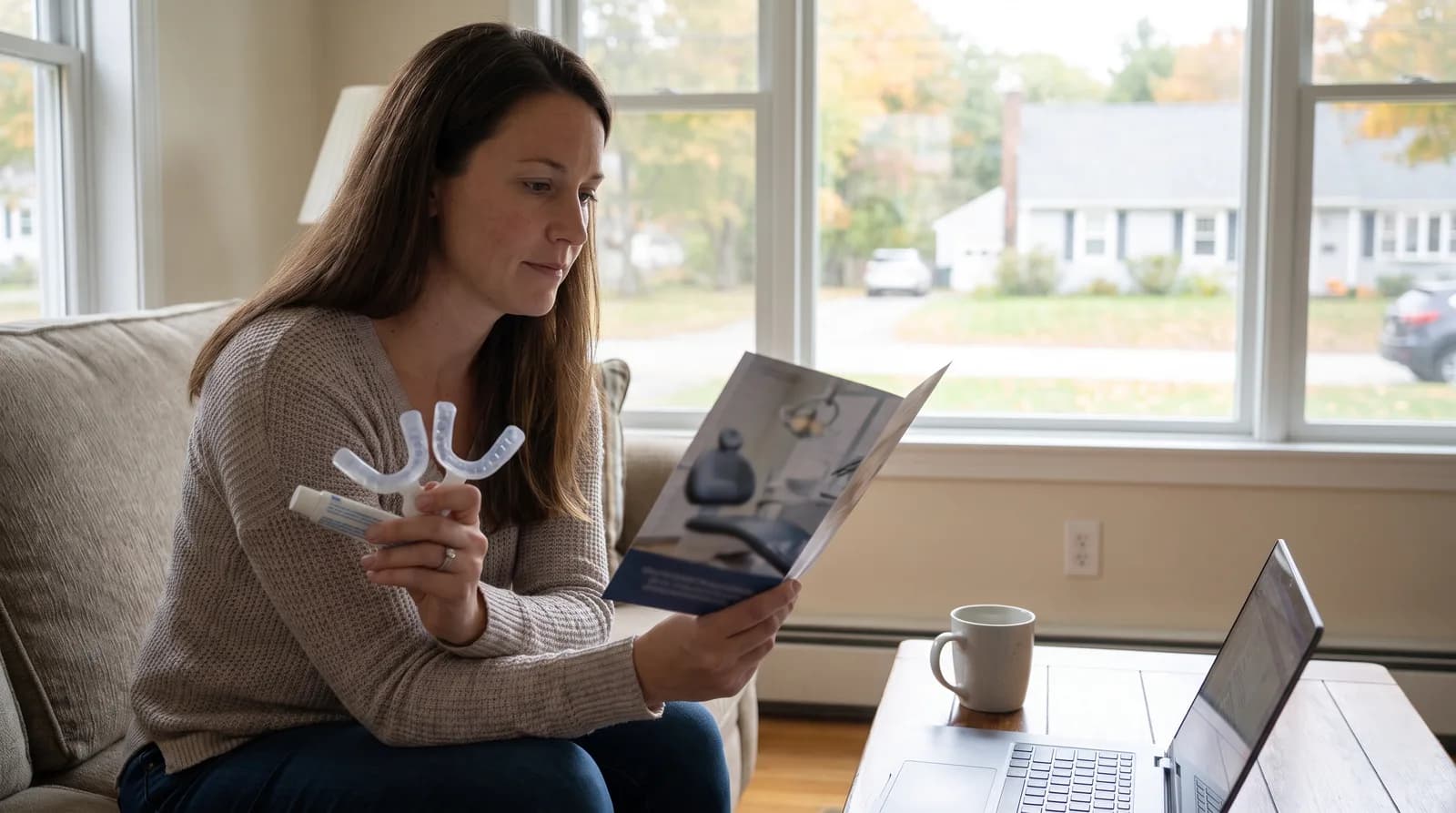
In-Office vs At-Home Teeth Whitening: Which Works Best?
Dr. Muhammad Rahim, DMDOctober 12, 20269 min read
Loading blog post
Dr. Muhammad Rahim, DMDOctober 12, 20269 min readCall and you'll reach a real person on our team: no phone tree, no hold music. We'd genuinely love to help.
(603) 924-3664Rather write to us? Contact us
The choice between in-office vs at-home teeth whitening comes down to speed, comfort, and budget. In-office whitening brightens teeth in about an hour. Dentist-made take-home trays get there gradually over a couple of weeks. Drugstore strips sit a distant third.
Whitening is popular for a reason: 99.7% of Americans believe a smile is an important social asset, according to the American Academy of Cosmetic Dentistry. This guide explains how each option works, who gets the best results, and how long whitening lasts. Professional teeth whitening is one of the most requested cosmetic dental services at Peterborough Family Dental & Implant Center.
At Peterborough Family Dental, Dr. Muhammad Rahim, DMD, helps patients choose the whitening approach that fits their goals, timeline, and tooth sensitivity level, without overpromising on results or recommending treatment that is not appropriate for their specific situation.
Teeth whitening uses a peroxide-based bleaching agent to break down stain molecules in enamel and dentin, changing the intrinsic shade of the tooth rather than just removing surface deposits. The active ingredient is hydrogen peroxide or carbamide peroxide.
This is an important distinction: whitening is not the same as cleaning. A professional cleaning removes surface stains from plaque, tartar, and deposits, but does not change the intrinsic color of the tooth. Whitening changes the actual shade of the tooth by penetrating the enamel. This also means that restorations like crowns, veneers, and bonding do not whiten, since they are not natural tooth structure and do not respond to peroxide the same way.
The concentration of peroxide, how long it stays in contact with the tooth, and whether heat or light is used to accelerate the reaction all affect how much whitening occurs. Professional treatments use higher concentrations than over-the-counter products, applied under controlled conditions, which is why they typically produce more dramatic and more consistent results.
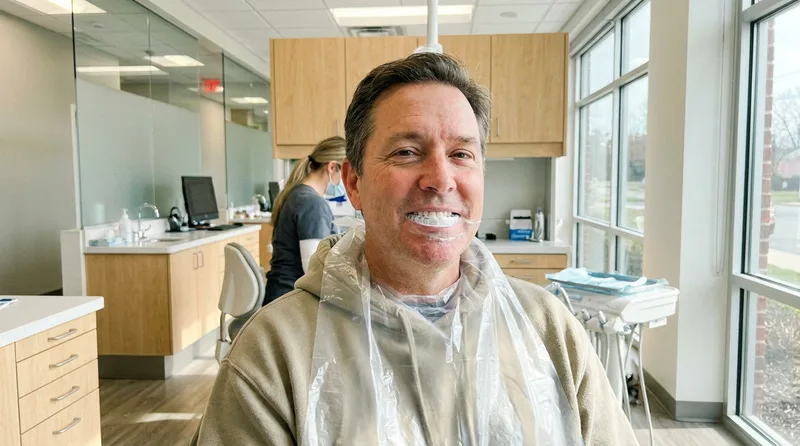
In-office whitening applies a high-concentration peroxide gel to your teeth in the dental chair, often with a light to speed things up. It's the fastest route to a noticeably lighter shade. At Peterborough Family Dental, most patients see results of up to eight shades whiter in a single visit of about an hour.
The advantages of in-office treatment are speed, professional supervision, and the ability to apply a higher concentration of peroxide than any over-the-counter product is permitted to contain. Patients who have an event coming up, who want maximum results quickly, or who want the reassurance of professional oversight typically prefer in-office treatment.
The main consideration is sensitivity. Higher-peroxide professional gels can cause temporary tooth sensitivity during or after the treatment, particularly in patients who already have some degree of dentinal sensitivity. A dentist can assess your sensitivity level beforehand and apply desensitizing treatment alongside the whitening to reduce discomfort. Post-treatment sensitivity typically resolves within a day or two and is manageable with over-the-counter pain relief if needed.
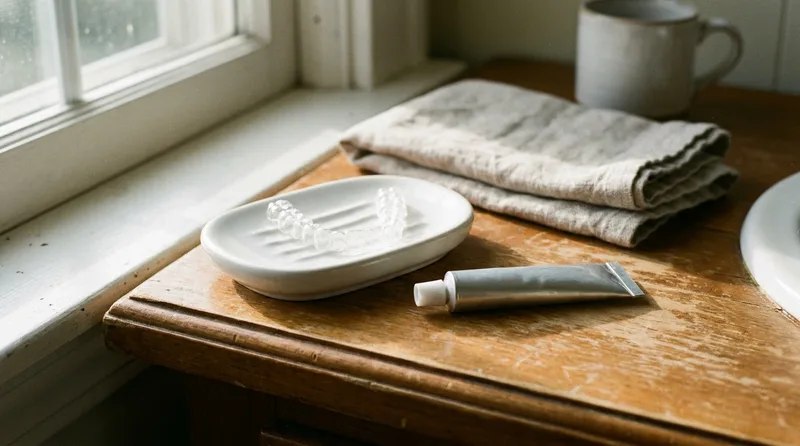
Dentist-dispensed take-home whitening kits use custom-fitted trays loaded with professional-grade gel, worn for a set time each day over one to two weeks. They produce gradual results that build consistently, and most patients find them more comfortable from a sensitivity standpoint than in-office treatment.
Take-home kits from a dentist use lower peroxide concentrations than in-office treatments but higher concentrations than over-the-counter products. The result builds gradually over days of consistent use, which many patients find more comfortable from a sensitivity standpoint than a single high-dose in-office session. Many dentists also offer a combination approach: in-office treatment for an initial significant jump in shade, followed by take-home trays for maintenance.
Over-the-counter products, including whitening strips, gel trays, and whitening toothpastes, use much lower peroxide concentrations and ill-fitting delivery trays that may not contact all tooth surfaces evenly. They can improve surface staining and provide mild overall lightening, but they rarely achieve the degree of change that most patients hoping for a noticeable result are looking for. They are best suited for maintenance after professional treatment rather than as the primary whitening approach.
Whitening toothpastes are worth a separate mention: they work through mild abrasion and some low-level peroxide, and they can help maintain a whitened result or address very light surface staining. However, they do not penetrate the enamel the way bleaching gel does and should not be expected to produce the same result as a tray-based or in-office treatment.
4 to 8 shades
Professional whitening can lighten teeth by this much in about two weeks
Source: American Dental Association
| Factor | In-Office | Take-Home Trays |
|---|---|---|
| Time to result | One appointment | 2 to 4 weeks of nightly wear |
| Gel strength | Higher, professionally applied | Lower, safe for unsupervised use |
| Supervision | Dentist present throughout | Reviewed at the fitting visit |
| Best for | An event on the calendar | Gradual change and top-ups |
Not sure which way to go? Many patients combine both: an in-office session for a fast start, then custom trays for touch-ups. Members of the practice's VIP Membership Plan also save 20% on teeth whitening.
Patients with yellowish extrinsic staining from coffee, tea, wine, tobacco, or aging typically see the most dramatic whitening results. Gray-toned discoloration from certain medications or trauma responds more slowly, and existing restorations like crowns, veneers, and bonding do not change color at all.
The ADA's whitening overview explains that not every kind of discoloration responds to bleaching, so an exam comes first. A dentist can spot the cause of the stain and point you to the option that will actually work, whether that's whitening, bonding, or veneers.
Candidates with active cavities, gum disease, or exposed root surfaces should address those issues before whitening, since bleaching agents can irritate already-compromised tooth or gum tissue. Whitening is usually postponed during pregnancy. Age matters less than stain type: plenty of patients in their 60s and 70s get great results when their staining is mostly yellow and their gums are healthy.
Related: Stains that whitening can't touch? Bonding can cover a single dark spot in one visit. Composite bonding for teeth →
Professional whitening results typically hold for one to three years, with lifestyle habits being the primary variable. Patients who limit staining beverages and use periodic touch-up trays keep results longest.
Coffee, tea, red wine, and tobacco bring stains back fastest. The first 48 hours after whitening matter most, because teeth pick up color more easily right after treatment. The ADA's teeth whitening guide also recommends talking with your dentist before repeating any treatment.
Make your whitening last longer
Every whitening appointment starts with a shade check to record your starting point and set realistic goals. In-office treatment then takes about an hour. Take-home kits start with a quick scan or impression for custom trays, which are ready within a few days.
Here's how an in-office session usually runs:

Teeth whitening is safe when performed as directed. Research supports its safety for enamel and soft tissues when professional products are used appropriately, with temporary sensitivity and mild gum irritation being the main side effects.
Over-whitening, meaning using products more frequently or at higher concentrations than recommended, can cause sustained sensitivity and potentially irritate the pulp. This is why professional guidance matters, since a dentist can help you establish a whitening protocol that achieves your goals without overloading the teeth. Most patients achieve their target shade in one professional session or one to two weeks of take-home use and do not need continuous treatment.
⚠ Talk to your dentist before whitening if you have
It can, for a little while. Peroxide gel temporarily opens tiny pores in the enamel, which can make teeth feel zingy to cold for a day or two. It usually fades on its own. Take-home trays tend to cause less sensitivity than a single in-office session because the gel is milder.
If you already have sensitive teeth, tell your dentist before you start. A desensitizing gel can be applied before or after whitening, and switching to a sensitivity toothpaste for two weeks beforehand often helps. With trays, wearing them for shorter sessions or skipping a day keeps things comfortable.
Lasting or sharp sensitivity isn't normal. It can point to a cavity, a crack, or an exposed root that should be treated first. That's one more reason to start with an exam. Regular dental visits catch roughly 80% of oral health issues before they become serious, according to the ADA.
Choose in-office whitening if you want the fastest, most dramatic change, especially before an event. Choose take-home trays if you prefer a gradual result with less sensitivity, or want to touch up later. Many people do both. A short exam shows which approach fits your teeth.
At Peterborough Family Dental, the consultation starts with your current shade, the type of staining, and any sensitivity that should shape the plan. Then Dr. Rahim recommends in-office, take-home, or a mix. The office serves patients across the Monadnock region, including Jaffrey, Dublin, Hancock, and Greenfield.
Keep reading
Results may vary. Please consult with your dentist at Peterborough Family Dental for personalized treatment recommendations.
Ready for a brighter smile?
Book a free whitening consultation. Dr. Rahim will check your shade and recommend the approach that fits your teeth and timeline.
Book a Free Consultation →
Dr. Muhammad Rahim, DMD
Dentist · Peterborough Family Dental & Implant Center
Peterborough, NH dentist providing gentle general, cosmetic, restorative, and implant dentistry for the whole family.
Was this article helpful?
Peterborough Family Dental offers in-office whitening, which can brighten teeth up to eight shades in about an hour, and custom take-home trays with professional-grade gel for gradual results or touch-ups. Many patients combine the two.
Our Peterborough team is happy to answer questions and get you on the calendar.


